The role of randomness in gambling: myths versus reality
Understanding Randomness in Gambling
Randomness is the fundamental element that distinguishes gambling from other forms of entertainment. In games such as poker, blackjack, and roulette, outcomes are influenced heavily by chance, creating an environment where unpredictability reigns. This randomness forms the basis of both the excitement and anxiety that many gamblers experience, as no outcome is guaranteed. Players often seek to understand how randomness operates within these games, but misconceptions can lead to an inadequate grasp of the underlying mechanics.
The prevalence of randomness has led to various myths surrounding gambling. Many players believe that they can somehow predict or alter outcomes, often relying on “lucky” strategies or systems. However, the very structure of gambling games is designed to maintain a level of unpredictability, often enforced by rigorous randomness generators and algorithms. To gain a deeper understanding of these elements, one can explore the best aussie online casino, where the mechanics of chance are crucial to the overall experience.

Understanding this structure can help players avoid unnecessary pitfalls and focus on responsible gaming strategies. It’s essential for gamblers to recognize that each play is a standalone event, not influenced by previous rounds or outcomes. This perspective can help reduce frustration and foster a more enjoyable gaming experience.
Common Myths About Randomness
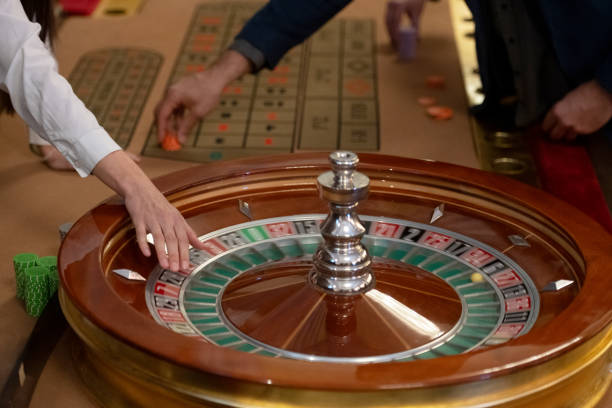
One of the most pervasive myths in gambling is the idea of “hot” and “cold” streaks. Many players believe that if a particular outcome has occurred several times in a row—such as black winning in roulette—then the opposite outcome is due to occur soon. This idea is rooted in the gambler’s fallacy, a cognitive bias that erroneously assumes past events influence future outcomes in a random sequence. In reality, each spin of the roulette wheel or shuffle of the cards is entirely independent of previous results.
Furthermore, players often believe that they can control randomness through specific rituals or betting patterns. The idea that superstition can impact game outcomes is a classic example of how myth and reality can diverge. While these behaviors may provide players with a sense of comfort or control, they do not alter the fundamental element of chance that governs gambling. Therefore, recognizing these myths is crucial for approaching gambling with a clear mindset. Knowing that the outcomes are purely random can help mitigate feelings of frustration when things don’t go as planned.
The Science of Random Number Generation
Understanding the scientific principles behind randomness is vital for both online and offline gambling. In digital environments, random number generators (RNGs) play a crucial role in ensuring fairness and unpredictability in game outcomes. These algorithms are programmed to produce sequences of numbers that lack any discernible pattern, leading to fair and truly random results. This technological commitment to randomness is what makes online gambling both exciting and trustworthy.
In contrast, traditional casino games, like dice and card games, rely on physical randomness. For example, the outcome of a dice roll or shuffled cards is inherently random, providing a natural element of chance that technology attempts to replicate in online formats. Understanding these mechanics demystifies the randomness involved and underscores the importance of playing within a framework that prioritizes fairness and randomness. As players become more informed about the mechanics behind these systems, they can make smarter choices when engaging in gambling activities.
The Psychological Impact of Randomness
The psychological implications of randomness in gambling are profound. The thrill of facing uncertainty can often elicit heightened emotions, from elation during winning streaks to despair in losing moments. This emotional rollercoaster is influenced by the unpredictable nature of games. Many players find themselves drawn to the excitement generated by these random events, making gambling both an intriguing and risky pursuit.
Additionally, the way individuals cope with randomness can vary significantly. Some gamblers might lean into randomness, embracing the unpredictability as part of the experience, while others may struggle with regret after a series of unfortunate outcomes. Recognizing and acknowledging these emotional responses can help players approach gambling with a healthier perspective, allowing for more informed decisions in the face of randomness. Acknowledging these feelings can also be beneficial for maintaining a balanced approach to gambling, ensuring it remains a form of entertainment rather than a source of stress.
Explore Gambling Experiences Online
With the rise of technology, many players have migrated to online platforms where randomness meets innovation. The opportunities presented by online casinos not only combine traditional gaming elements with technological advancements but also allow players to experience randomness in novel ways. From the comfort of home, individuals can explore a multitude of games that embrace randomness, each offering a unique journey through chance.
By participating in these online experiences, players gain better insights into the role of randomness in gambling. Equipped with knowledge and a clearer perspective on myths and realities, one can enjoy a more rewarding gaming experience. Whether you are a seasoned gambler or a newcomer, understanding the true nature of randomness can enhance your enjoyment and approach to gambling. Remember to make informed choices and embrace the unpredictability inherent in these games. Ultimately, awareness and a measured approach can transform gambling from mere chance into a more deliberate and enjoyable pastime, fostering a richer understanding of this fascinating realm.