The Thrill of Risk-Taking
The psychology of gamblers is often intertwined with the thrill of risk-taking. Many individuals are drawn to casinos not just for potential financial gains but also for the excitement and adrenaline that accompany the act of gambling. This rush can lead to what psychologists refer to as “positive risk-taking,” where the act of wagering itself becomes a source of pleasure. For these gamblers, the unpredictability of outcomes and the possibility of winning big serve as compelling motivators, often overshadowing the inherent dangers associated with gambling, especially in platforms like 1win that offer a diverse gaming experience.
This desire for risk is deeply embedded in human behavior and can be traced back to evolutionary biology. The human brain is wired to seek rewards, which is especially prominent when the stakes are high. The thrill of a gamble can trigger the release of dopamine, a neurotransmitter that plays a key role in pleasure and reinforcement. As players engage in games of chance, the anticipation of winning or losing creates a compelling cycle of behavior that can keep them returning for more. In many cases, this thrill can lead individuals to overlook the potential financial and emotional consequences of their actions.
Moreover, the environment of casinos is meticulously designed to amplify this thrill. The bright lights, loud sounds, and bustling atmosphere all contribute to an enticing space that stimulates a sense of excitement. This carefully crafted environment, combined with the allure of possible rewards, can lead to an intense focus on the activity, making it easier for gamblers to lose track of both time and money. Consequently, the psychological components of thrill-seeking and risk-taking play significant roles in shaping the overall gaming experience.
Illusions of Control and Superstitions
Another fascinating aspect of gambling psychology is the phenomenon of illusions of control. Many gamblers harbor the belief that they can influence outcomes, particularly in games that involve an element of skill or strategy. This belief can be reinforced by personal experiences or anecdotes shared among players, leading them to think they possess a unique insight or talent that gives them an edge. Such illusions create a false sense of security, motivating gamblers to engage more frequently and invest larger sums of money, despite the statistical improbability of achieving success.
Superstitions also play a crucial role in shaping the gambling mindset. Many players develop personal rituals or beliefs that they think will enhance their chances of winning. For instance, some may avoid specific numbers or wear certain clothing when they gamble, convinced that these actions can influence luck. These rituals highlight a psychological need for control in the face of uncertainty, as they provide a semblance of predictability in an inherently random environment. This reliance on superstition can create a comforting narrative that allows gamblers to cope with the anxiety of losing.

As gamblers become more entrenched in these beliefs, it can become increasingly difficult for them to recognize the purely random nature of gambling outcomes. The interplay between these illusions and actual probabilities makes gambling a complex psychological experience, often blurring the line between entertainment and addiction. These cognitive distortions can lead to problematic behaviors, such as chasing losses or continuing to bet in the hopes of reversing a losing streak, further entrenching their gambling habits.
The Role of Social Influence
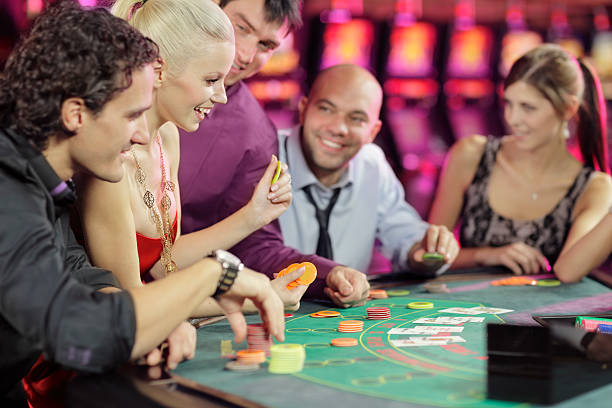
The influence of social environments on gambling behavior is significant and cannot be understated. Many individuals engage in gambling within social contexts, whether at physical casinos or online platforms. This social element can enhance the excitement of gambling, as it often involves camaraderie and rivalry among friends or family. The sharing of wins and losses can also reinforce the thrill of the experience and encourage more frequent participation, making gambling a shared social activity.
Social norms and peer pressure greatly impact gambling behaviors as well. Individuals may feel compelled to gamble to fit in with their social circles or to impress others. This phenomenon can lead to increased gambling activity and spending, as the desire for acceptance may override rational decision-making. Moreover, the positive reinforcement from winning in a group setting can further entrench gambling as a regular social activity, making it harder for individuals to step back and assess their behavior objectively.
However, social environments can also present risks, particularly if they foster unhealthy competition or encourage excessive gambling. The normalization of gambling within peer groups can lead participants to underestimate the dangers associated with the activity. Understanding the social dynamics at play is essential for grasping the complexities of gambling behavior and its potential consequences on both individual and collective levels. The interplay of social influences and personal choices creates a nuanced landscape that can either support or hinder responsible gambling practices.
Addiction and Psychological Effects
The line between casual gambling and addiction often becomes blurred, as many gamblers find themselves ensnared by their behaviors over time. Gamblers can experience significant psychological effects, such as anxiety, depression, and low self-esteem, particularly when they struggle to control their gambling habits. The initial thrill of winning can quickly transform into a compulsive pattern, leading to potential financial ruin and interpersonal discord. This transformation often occurs gradually, making it difficult for individuals to recognize the shift in their relationship with gambling.
Moreover, the psychological health of a gambler can deteriorate as they chase losses, creating a vicious cycle of desperation and further gambling. This compulsive behavior can have negative repercussions not only for the gamblers themselves but also for their families and close relationships, leading to feelings of isolation and shame. The emotional toll of gambling addiction can be profound, often masquerading behind temporary highs and fleeting moments of success. As gamblers become more entrenched in their habits, they may lose sight of the joy that initially attracted them to gaming.
Effective interventions and support systems are crucial for individuals grappling with gambling addiction. Therapy, support groups, and counseling can provide vital avenues for recovery and strategies to cope with underlying psychological issues. By addressing both the compulsive nature of gambling and the emotional factors involved, individuals can work towards healthier habits, regain control over their lives, and rebuild their relationships. A supportive network can make a significant difference in the recovery journey, emphasizing the importance of community in overcoming addiction.
Understanding Gamblers and the Path Forward
Understanding the psychology of gamblers is essential for creating awareness about the potential risks of gambling. Recognizing the psychological aspects, from thrill-seeking to social influences, enables both gamblers and their loved ones to make informed decisions. Furthermore, promoting responsible gambling practices can help mitigate the risks associated with excessive gambling and encourage healthier attitudes towards gaming. Awareness of these psychological factors can empower individuals to make choices that are more aligned with their long-term well-being.
Awareness initiatives and educational resources can empower individuals to recognize the signs of gambling addiction early. Providing information on responsible gambling, setting limits, and seeking help when necessary can facilitate healthier gambling behaviors. Additionally, stakeholders within the gaming industry have a responsibility to promote transparency and support for individuals struggling with gambling issues, fostering a culture that prioritizes ethical practices and player well-being.
In conclusion, a nuanced understanding of the psychology of gamblers reveals both the attractions and dangers inherent in gambling. By fostering a culture of awareness and support, society can work towards minimizing negative consequences while allowing individuals to enjoy gaming as a form of entertainment. This balanced approach is crucial in addressing the multifaceted nature of gambling and its impact on individuals and communities. By promoting healthier gambling practices and providing support, we can create a safer environment for all participants, ensuring that gambling remains a form of entertainment rather than a source of distress.