Gambling's hidden effects on mental well-being uncovering the truth
The Psychological Impact of Gambling
Gambling is often seen as a leisure activity, but its psychological effects can be profound. For many individuals, the thrill of winning can create an addictive cycle. This cycle can lead to increased anxiety and stress levels, especially when losses accumulate. The anticipation of a win can overshadow the consequences, making it difficult for gamblers to recognize the adverse effects on their mental health. Engaging in games like the Ice Fishing casino game can further complicate this relationship by introducing new layers of excitement and risk.
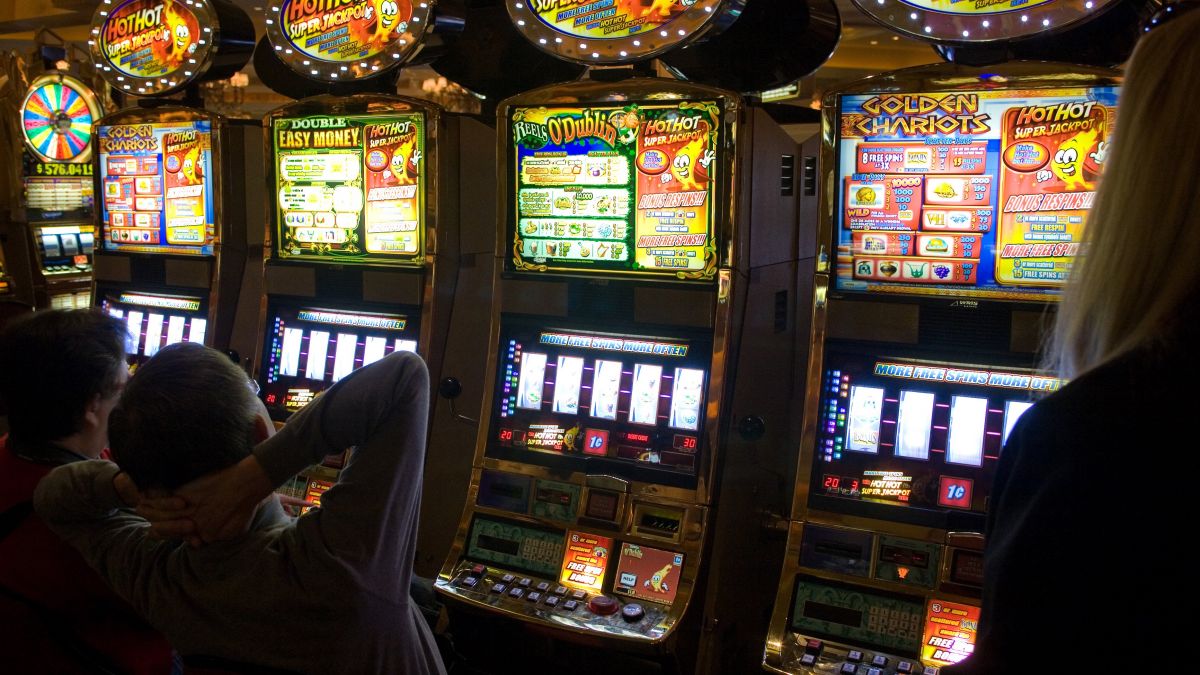
Moreover, the escapism that gambling provides can mask underlying issues such as depression or anxiety. Individuals may turn to gambling as a way to cope with life stresses, ultimately leading to a more complicated relationship with their mental well-being. Understanding these psychological impacts is essential for addressing the hidden dangers of gambling.
Gambling and Emotional Well-being
The emotional effects of gambling can vary widely among individuals. While some may experience temporary feelings of happiness and excitement, these are often fleeting. The aftermath of a gambling session can lead to feelings of guilt, shame, and regret, especially if financial losses are involved. Such negative emotions can contribute to a downward spiral affecting overall mental health.
In some cases, individuals may become emotionally dependent on gambling, associating it with their self-worth and identity. This can lead to a constant need for validation through wins, further exacerbating emotional instability. Recognizing these emotional shifts is crucial in understanding how gambling can undermine mental well-being.
The Social Consequences of Gambling
Gambling can have significant social implications, impacting relationships with family and friends. As individuals immerse themselves in gambling, they may neglect important social interactions, leading to feelings of isolation. This disconnect can strain personal relationships, creating conflicts that compound existing mental health issues.
Moreover, the social stigma associated with gambling addiction can prevent individuals from seeking help. They may fear judgment or ridicule, causing them to suffer in silence. Addressing these social aspects is vital for a comprehensive understanding of how gambling can influence mental health negatively.
Recognizing Signs of Gambling Addiction
Identifying gambling addiction is the first step toward recovery. Many individuals may deny their gambling habits or fail to recognize their detrimental effects on mental health. Common signs include an inability to control betting behavior, preoccupation with gambling, and continuing to gamble despite negative consequences.
Awareness and education about these signs can empower individuals to seek help. Various support groups and resources are available to assist those struggling with gambling addiction. Addressing the issue early can prevent further mental health deterioration and promote healthier coping mechanisms.

Finding Support and Resources
Understanding the complexities of gambling’s effects on mental health is crucial, but seeking support is equally important. Numerous organizations offer resources and counseling for individuals grappling with gambling addiction. These support systems can provide guidance, helping individuals navigate their challenges and promoting healthier mental well-being.
Additionally, exploring educational materials on the subject can equip individuals with knowledge to recognize and mitigate gambling’s hidden effects. Creating a supportive community that encourages open discussions about mental health and gambling can pave the way for recovery and healing.